
Introduction: The New SEC Mandate
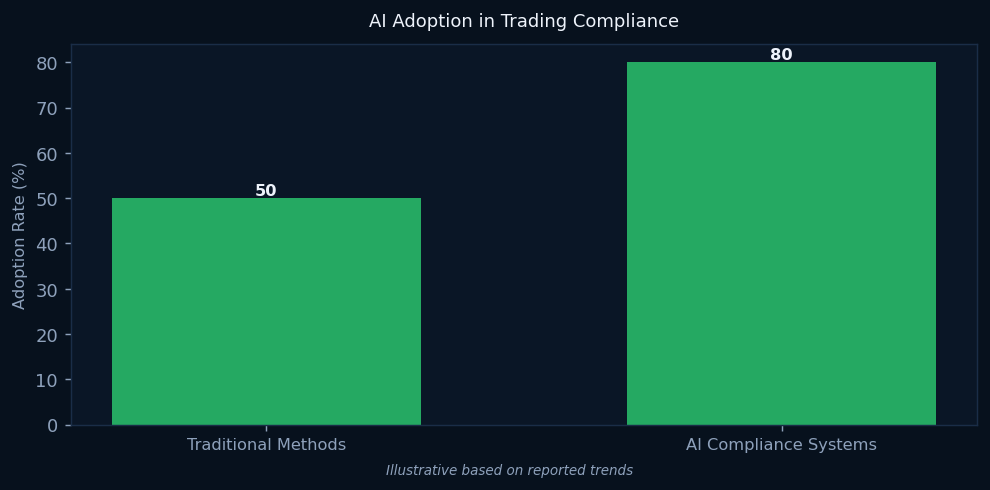
The landscape of trading compliance on Wall Street is undergoing a seismic shift. The Securities and Exchange Commission (SEC) has upped the ante by mandating real-time trade surveillance, a move that is now catalyzing hedge funds and proprietary traders into embracing AI-native compliance systems. This regulatory pressure is not just a procedural change; it fundamentally reshapes the economics of algorithmic trading. The move comes as markets face increased complexities, and trading firms must now balance compliance, risk management, and operational efficiency in what many are calling a regulatory arms race.
The implications are profound. From enhanced surveillance systems to dynamic pricing models, the paradigm shift necessitates an overhaul of traditional compliance strategies. What does this mean for traders, fintech operators, and business owners? This article delves into the intricacies of the real-time trade surveillance mandate, exploring its causes, impacts, and the AI-driven solutions that trading firms are employing to navigate this new era.
The Compliance Challenge: Why Hedge Funds Must Evolve
The SEC's push for real-time market oversight is not an isolated development. It mirrors broader trends in regulatory demands as highlighted in recent headlines. For instance, the collaboration between the SEC and the FDA to combat insider trading signifies a cross-industry crackdown on malpractices, signaling a comprehensive and unified regulatory approach. As compliance becomes more stringent and sophisticated, hedge funds and prop traders are pressured to adapt quickly or face severe consequences.
Hedge funds have historically relied on retrospective compliance checks and manual oversight—a model that is no longer viable in the face of 23/5 trading as noted by Kroll. This need for constant vigilance has forced a reconsideration of how compliance is integrated into trading strategies. AI-driven systems have emerged as the most effective means to meet regulatory expectations, quickly analyzing vast amounts of data for potential compliance breaches in real-time.
Yet, this evolution is not without challenges. The adoption of AI infrastructure demands significant investment, not only financially but also in terms of skill acquisition and integration complexity. Firms must navigate legacy system limitations and ensure that AI tools align with existing operational workflows. These hurdles necessitate a thoughtful approach to AI adoption, one that prioritizes strategic alignment with broader business goals.
The Economics of AI Compliance: Costs vs. Benefits
Adopting AI-native compliance systems is transforming the economic landscape of algorithmic trading. The initial capital outlay for developing or acquiring sophisticated AI tools is high; however, the long-term cost benefits are undeniable. Enhanced regulatory compliance reduces the risk of costly fines and sanctions. More importantly, AI systems offer unparalleled efficiency improvements by automating routine checks and enabling more sophisticated risk management techniques.
The potential is enormous, particularly given how AI applications are projected to revolutionize stock trading, as highlighted by Investing.com. Trading algorithms imbued with AI capabilities can not only ensure compliance but can also execute trades with precision, balancing risk and reward dynamically. This dual capacity of AI—compliance and operational efficiency—is reshaping the financial models of trading firms.
On the downside, firms are facing higher immediate costs associated with AI integration, including system development, staff training, and ongoing maintenance. Nevertheless, these investments are essential. For those who fail to adapt, the future could see them increasingly marginalized as more agile and technologically adept competitors seize market share.
AI's Role in Real-Time Surveillance and Risk Management
AI is at the forefront of the SEC's real-time surveillance mandate, performing tasks that are beyond human capabilities. According to Finextra Research, this approach is not limited to catching foul play in the financial sector but is part of a broader trend of real-time transaction monitoring. In a market where information is the most valuable currency, the ability to identify and act on anomalies in real time provides a significant strategic advantage.
Trading firms are leveraging machine learning algorithms to flag unusual patterns, review massive data sets, and predict compliance issues before they escalate. This proactive approach not only enhances compliance but also bolsters risk management strategies. Importantly, AI tools complement human oversight by providing analysts with actionable insights rather than raw data, thus optimizing decision-making processes.
However, reliance on AI also introduces new risks, such as algorithmic failures and data biases. As discussed in the Wealth Solutions Report, these potential pitfalls necessitate robust governance frameworks to ensure that AI deployments do not inadvertently propagate compliance lapses. Thus, while AI is a powerful tool for enforcing the SEC's surveillance requirements, its integration must be executed with precision.
Dynamic Pricing Models and Their Regulatory Implications
Another layer of complexity emerges from the intersection of real-time surveillance and dynamic pricing strategies. As Holland & Knight notes, understanding how these elements interact is crucial for general counsels advising on compliance issues. AI systems enable trading firms to adjust prices in response to real-time data feeds, optimizing strategies and maximizing profits within regulatory constraints.
Dynamic pricing involves analyzing market trends and competitor behavior to set optimal prices instantaneously. While this can enhance competitive advantages, it also poses regulatory challenges. The continuous recalibration of pricing models must be transparent and compliant with trading regulations to avoid accusations of market manipulation.
Moreover, the integration of dynamic pricing necessitates a reevaluation of traditional compliance frameworks. AI tools must be configured not only to facilitate real-time price adjustments but also to ensure that these changes align with legal standards. This delicate balance underscores the need for comprehensive AI strategies that span beyond mere technical implementation, advocating for a holistic view that includes ethical considerations and regulatory compliance.
Preparing for the Future: Strategic AI Adoption
As the regulatory backdrop continues to evolve, strategic AI adoption emerges as a core imperative for trading firms. The Databricks guide on AI applications in finance highlights the potential benefits and practical applications of AI in transforming trading environments. Firms must invest in AI not as a tactical response to compliance pressures, but as a pivotal component of their future trading architectures.
Investment in AI should not be viewed solely through the lens of cost, but also as an opportunity to redefine competitive positioning and operational efficiency. Companies must prioritize AI initiatives that integrate seamlessly with their overall business strategy, leveraging AI to drive innovation and performance improvements.
Crucially, firms should foster a culture of continuous learning, equipping teams with the skills needed to leverage AI effectively. Partnerships with AI vendors and academic institutions can provide the expertise required to harness the full spectrum of AI capabilities. As AI becomes more pervasive, building robust governance structures to oversee AI activities will be imperative, safeguarding against the very compliance issues that these technologies are designed to address.
Conclusion: The Road Ahead
The SEC's real-time trade surveillance mandate is a catalyst for transformation within the trading sector. The rapid adoption of AI-native compliance stacks is not merely a regulatory response but a strategic realignment necessitated by evolving market realities. With risks and opportunities intertwined, businesses must navigate this landscape with agility and foresight.
As firms venture into this new era, understanding the symbiosis between compliance initiatives and AI integration will be crucial. Success will depend on an ability to leverage AI’s potential while maintaining a robust compliance posture, turning regulatory challenges into avenues for innovation and market differentiation. In the complex, fast-evolving world of trading, those who can master this balance are set to thrive.